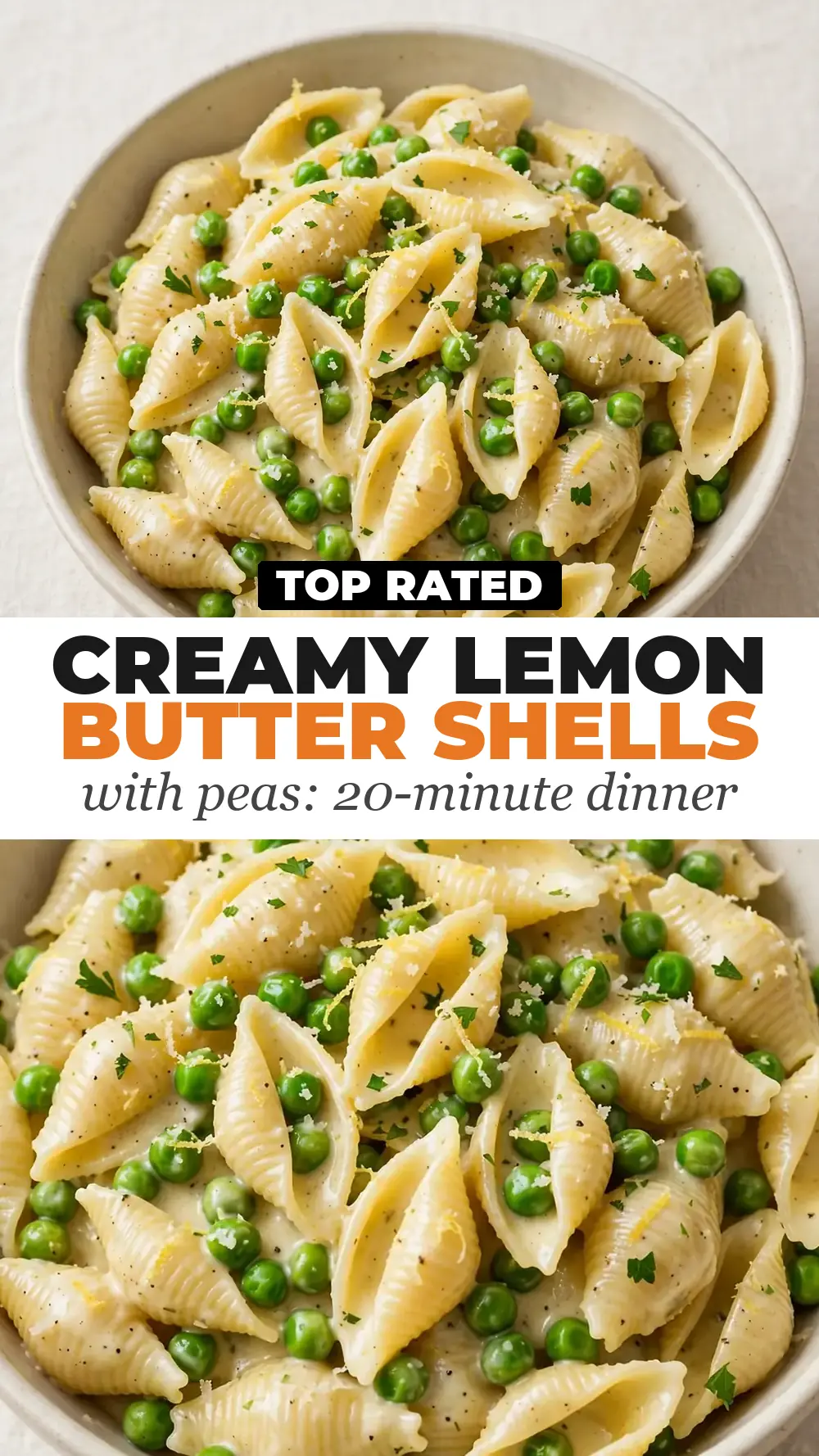
Creamy Lemon Butter Shells with Peas: 20-Minute Dinner
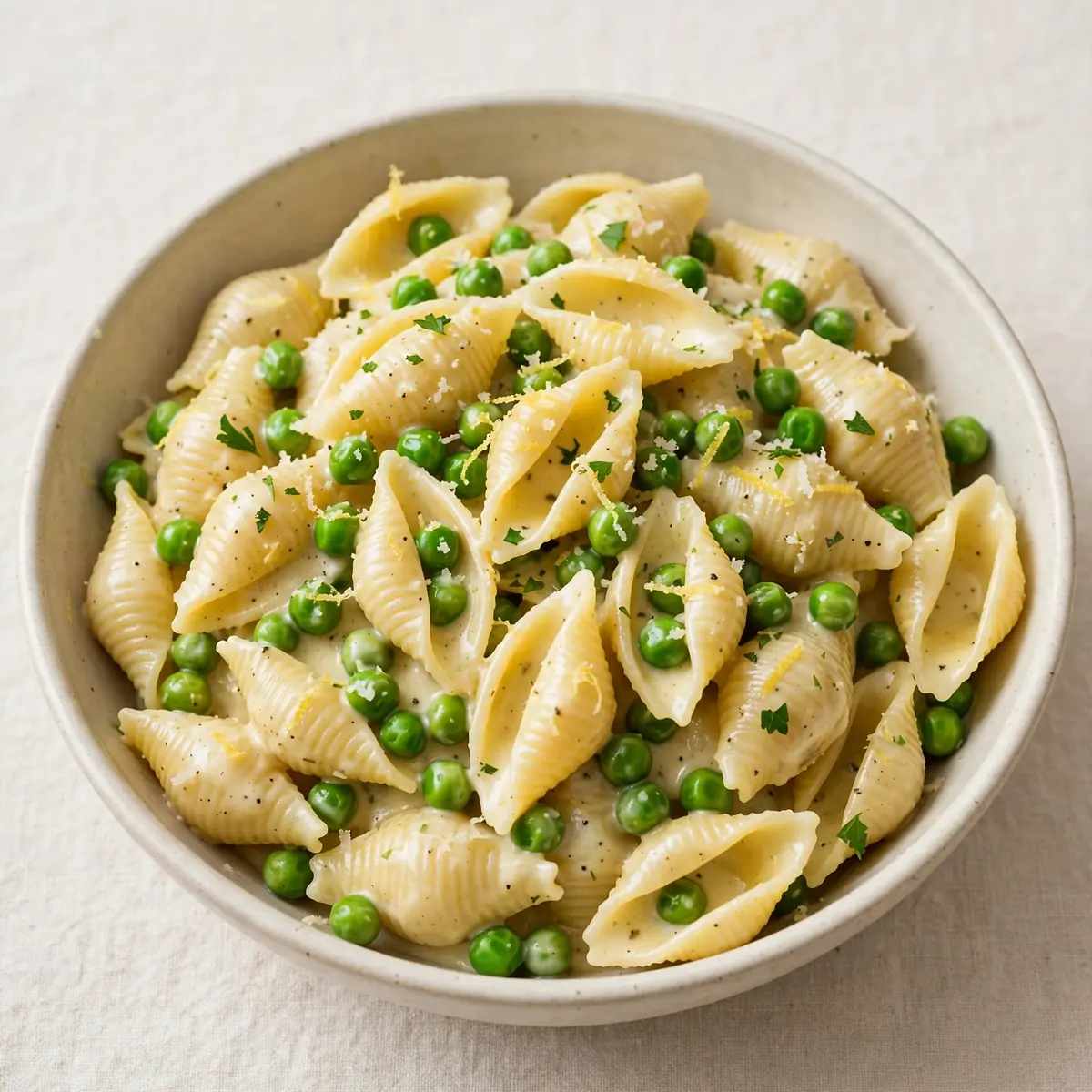
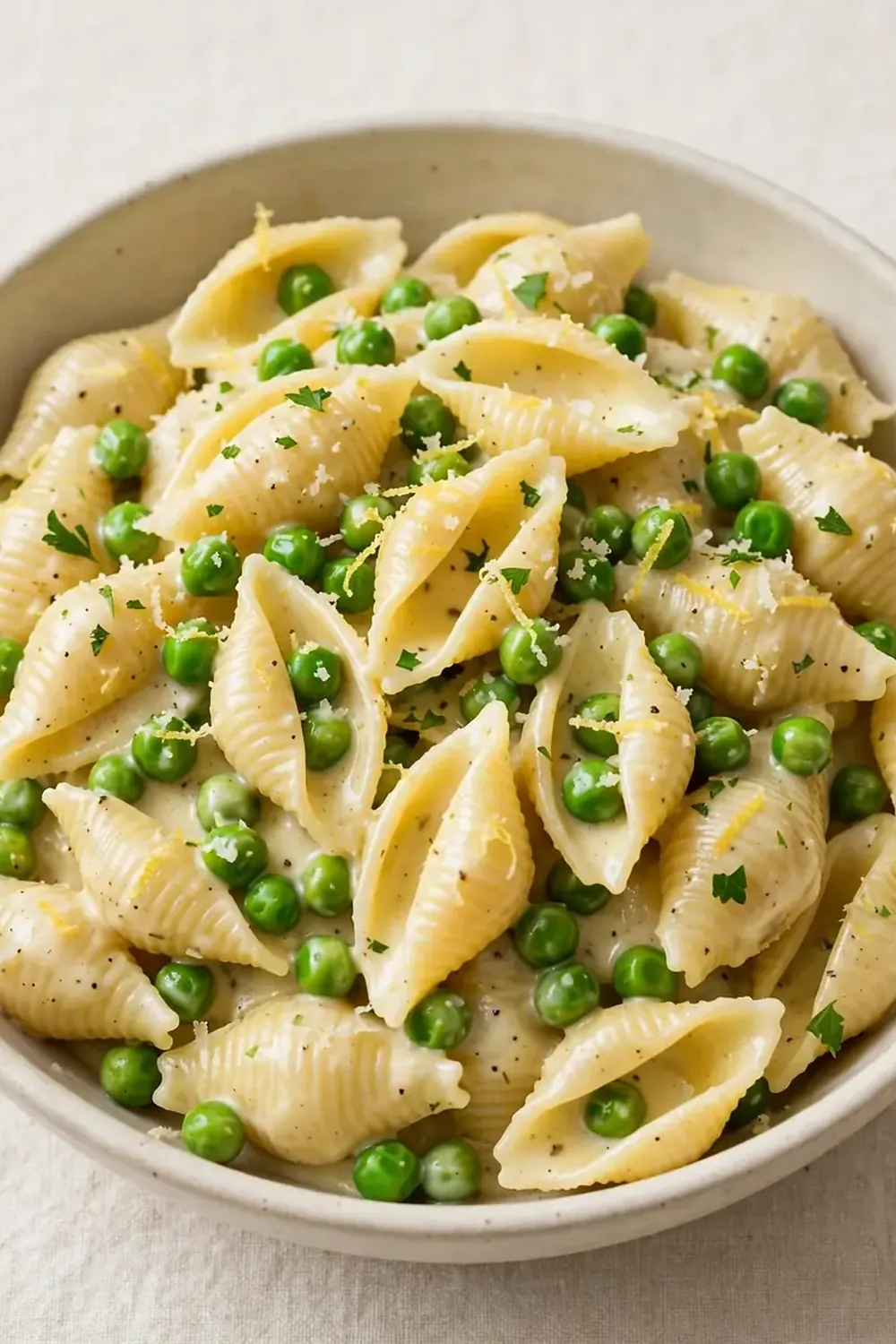
Some evenings call for a dinner that feels special but demands almost nothing from you. This creamy lemon butter shells with peas fits that brief perfectly — it’s a one-pan wonder that brings bright, silky comfort to the table in under 25 minutes, with minimal washing up and maximum flavour.
Recipe Overview
- Prep time: 5 minutes
- Cook time: 15 minutes
- Total time: 20 minutes
- Servings: 4
- Difficulty: Easy
Why You’ll Love This Creamy Lemon Butter Shells with Peas
- One-pan cooking: Everything comes together in a single large skillet, so you’re left with hardly any dishes to scrub after dinner.
- Ready in 20 minutes: From the moment you start boiling water to the first forkful, this dish is on the table faster than you can order takeaway.
- Make-ahead friendly: The sauce reheats beautifully, and you can prep the peas and lemon zest earlier in the day to cut down evening stress.
- Crowd-approved for all ages: The gentle lemon and creamy butter sauce appeals to both kids and adults, making it a reliable choice for busy weeknights.
- Uses pantry staples: You likely already have pasta, butter, lemon, and frozen peas in your kitchen — no special shopping required.
Ingredients You’ll Need
- 300g small pasta shells (conchigliette or similar)
- 60g unsalted butter
- 2 cloves garlic, finely minced
- Zest of 1 large lemon
- 3 tablespoons fresh lemon juice (about 1 large lemon)
- 200ml double cream
- 150g frozen peas (no need to thaw)
- 60g finely grated Parmesan cheese
- ½ teaspoon fine sea salt
- ¼ teaspoon freshly ground black pepper
- 100ml reserved pasta cooking water (plus extra if needed)
- Small handful fresh parsley, chopped (optional, for garnish)
Tip: Use a microplane or fine grater for the lemon zest — this releases the aromatic oils without the bitter white pith. If you’re cooking for a crowd, simply double the quantities; the sauce scales perfectly.
How to Make Creamy Lemon Butter Shells with Peas
- Boil the pasta: Bring a large pot of generously salted water to a rolling boil. Add the pasta shells and cook according to package instructions until al dente — usually 8–9 minutes. The shells should feel firm at the centre when you bite one. Before draining, scoop out 200ml of the starchy pasta water and set it aside. Drain the shells in a colander but do not rinse them; you want that starch to help the sauce cling.
- Start the sauce: While the pasta boils, place a large frying pan or skillet over medium heat. Add the butter and let it melt slowly, tilting the pan to coat the surface. The butter will foam gently at first, then settle into a quiet, golden liquid. When the foam subsides, add the minced garlic and stir continuously for about 45 seconds — you’ll smell a fragrant, nutty aroma, and the garlic should turn pale gold, not brown.
- Add the lemon and cream: Sprinkle in the lemon zest and pour in the lemon juice. Stir once, then immediately pour in the double cream. The mixture will bubble softly at the edges. Whisk or stir gently for 1–2 minutes until the sauce thickens slightly and turns a uniform, pale yellow colour. You’ll see it coat the back of a spoon.
- Incorporate the peas: Tip the frozen peas directly into the sauce. Stir them through and let them cook for 2 minutes. The peas will turn a bright, vivid green and soften just slightly, releasing a sweet, grassy scent. They do not need to be fully thawed before adding — the heat of the sauce will do the work.
- Combine pasta and sauce: Add the drained pasta shells to the pan with the sauce. Sprinkle over the grated Parmesan, salt, and black pepper. Toss everything gently with a wooden spoon or spatula for about 1 minute, allowing the cheese to melt into the cream. The sauce should look glossy and cling to each shell. If it seems too thick, add a splash of the reserved pasta water — about 2 tablespoons at a time — until it reaches a silky, flowing consistency.
- Finish and rest: Remove the pan from the heat. Let the pasta rest for 1 minute — this allows the sauce to settle and the flavours to meld. The shells will absorb a little of the creamy liquid, becoming plump and tender. Taste and adjust salt or lemon juice if needed.
- Serve immediately: Divide the pasta among warm bowls. Scatter fresh parsley on top if using, and add an extra grating of Parmesan or a twist of black pepper at the table. The dish is best eaten straight away, while the sauce is still luscious and warm.
Tips From My Kitchen
- Reserve more pasta water than you think you need: The starchy water is the secret to a smooth, emulsified sauce. I always save at least 200ml, even if I only use half. If your sauce tightens up as it sits, a splash of warm water will bring it back to life without making it greasy.
- Cook the pasta just shy of al dente: Because the shells will finish cooking in the sauce for that final minute, starting them slightly underdone means they won’t turn mushy. They should have a tiny white dot at the centre when you bite one before draining.
- Don’t skip the lemon zest: The juice gives brightness, but the zest carries the concentrated citrus oils that perfume the whole dish. I make this at least once a week — it’s become a family favourite — and the zest is non-negotiable in my kitchen.
- Use a wooden spoon for stirring: Metal utensils can scratch your non-stick or stainless steel pan. A wooden spoon or silicone spatula also lets you feel the sauce’s thickness as you stir, giving you better control over the final texture.
- Make it ahead without drying out: If you’re prepping for the next day, undercook the pasta by 2 minutes, toss it with a little olive oil, and store the sauce separately. When you’re ready to serve, reheat the sauce gently with a splash of water, then add the pasta and cook for 2 minutes — it will taste freshly made.
Equipment You’ll Need
- Large frying pan or skillet (30cm or wider)
- Large pot for boiling pasta
- Sharp knife and cutting board
- Microplane or fine grater for lemon zest
- Mixing bowls (for holding reserved pasta water and prepped ingredients)
- Wooden spoon or silicone spatula
- Colander for draining pasta
- Measuring jug for pasta water
Common Mistakes to Avoid
- Overcrowding the pan: If your skillet is too small, the pasta shells will steam rather than toss in the sauce, leading to a clumpy, uneven coating. Use a pan wide enough that the shells sit in a single layer when stirred. If you’re doubling the recipe, cook the pasta in two batches or use two pans.
- Wrong temperature: High heat will cause the cream to split and the butter to burn, leaving you with a grainy, greasy sauce. Keep the heat at medium or medium-low throughout. The sauce should bubble gently, not furiously. If you see the cream forming small white flecks, lower the heat immediately and stir in a tablespoon of cold water to rescue it.
- Skipping the rest time: That 1-minute rest off the heat is crucial. It allows the starch from the pasta to fully absorb into the sauce, creating a silky, cohesive texture. Serve straight from the heat and you’ll have a thinner, less integrated sauce that runs to the bottom of the bowl.
What to Serve With Creamy Lemon Butter Shells with Peas
- A crisp green salad with a simple vinaigrette — the acidity cuts through the richness of the butter sauce.
- Grilled chicken breast or pan-seared salmon for extra protein, seasoned simply with salt and pepper.
- Steamed asparagus or green beans, drizzled with a little olive oil and lemon juice.
- Warm crusty bread or garlic bread to mop up any remaining sauce from the bowl.
- A light, chilled white wine spritzer (non-alcoholic, of course) or sparkling water with lemon slices.
Still hungry for ideas? You might also love Affordable Meal Prep 15 Minute Lemon Garlic Butter Steak Bites, Lemon Butter Baked Cod Recipe from our sister kitchens.
Frequently Asked Questions
Creamy Lemon Butter Shells with Peas
Ingredients
Method
-
Boil the pasta: Bring a large pot of generously salted water to a rolling boil. Add the pasta shells and cook according to package instructions until al dente — usually 8–9 minutes. The shells should feel firm at the centre when you bite one. Before draining, scoop out 200ml of the starchy pasta water and set it aside. Drain the shells in a colander but do not rinse them; you want that starch to help the sauce cling.
-
Start the sauce: While the pasta boils, place a large frying pan or skillet over medium heat. Add the butter and let it melt slowly, tilting the pan to coat the surface. The butter will foam gently at first, then settle into a quiet, golden liquid. When the foam subsides, add the minced garlic and stir continuously for about 45 seconds — you’ll smell a fragrant, nutty aroma, and the garlic should turn pale gold, not brown.
-
Add the lemon and cream: Sprinkle in the lemon zest and pour in the lemon juice. Stir once, then immediately pour in the double cream. The mixture will bubble softly at the edges. Whisk or stir gently for 1–2 minutes until the sauce thickens slightly and turns a uniform, pale yellow colour. You’ll see it coat the back of a spoon.
-
Incorporate the peas: Tip the frozen peas directly into the sauce. Stir them through and let them cook for 2 minutes. The peas will turn a bright, vivid green and soften just slightly, releasing a sweet, grassy scent. They do not need to be fully thawed before adding — the heat of the sauce will do the work.
-
Combine pasta and sauce: Add the drained pasta shells to the pan with the sauce. Sprinkle over the grated Parmesan, salt, and black pepper. Toss everything gently with a wooden spoon or spatula for about 1 minute, allowing the cheese to melt into the cream. The sauce should look glossy and cling to each shell. If it seems too thick, add a splash of the reserved pasta water — about 2 tablespoons at a time — until it reaches a silky, flowing consistency.
-
Finish and rest: Remove the pan from the heat. Let the pasta rest for 1 minute — this allows the sauce to settle and the flavours to meld. The shells will absorb a little of the creamy liquid, becoming plump and tender. Taste and adjust salt or lemon juice if needed.
-
Serve immediately: Divide the pasta among warm bowls. Scatter fresh parsley on top if using, and add an extra grating of Parmesan or a twist of black pepper at the table. The dish is best eaten straight away, while the sauce is still luscious and warm.
Notes
I’d love to hear how you get on with this creamy lemon butter shells with peas — drop a comment below to let me know if your family loved it as much as mine does. If you’re after more quick weeknight pasta ideas, try our Creamy Lemon Pasta Fresh Basil or the No Cook Fresh Tomato Sauce for those evenings when you don’t want to turn on the stove at all.