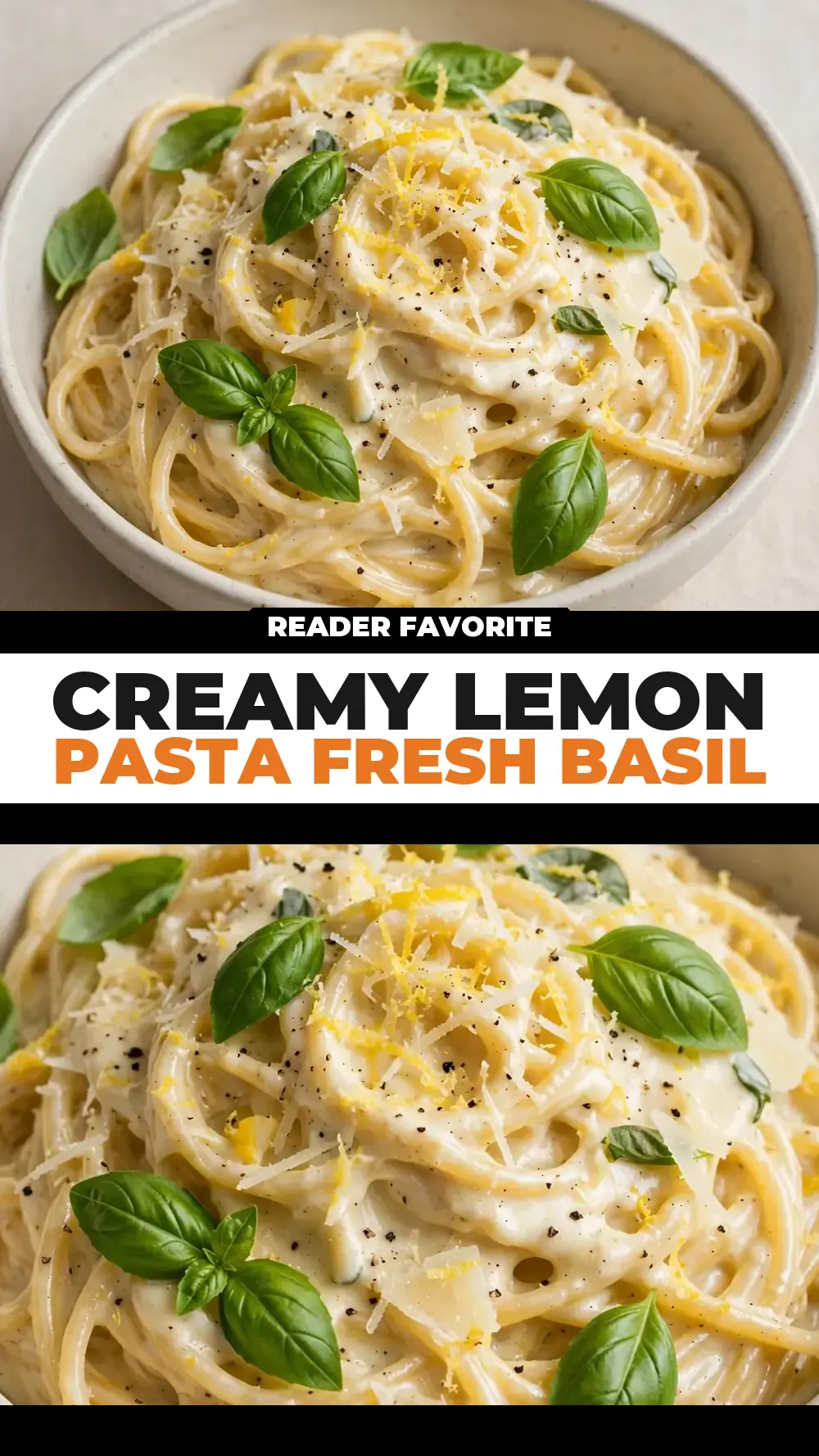
Creamy Lemon Pasta Fresh Basil
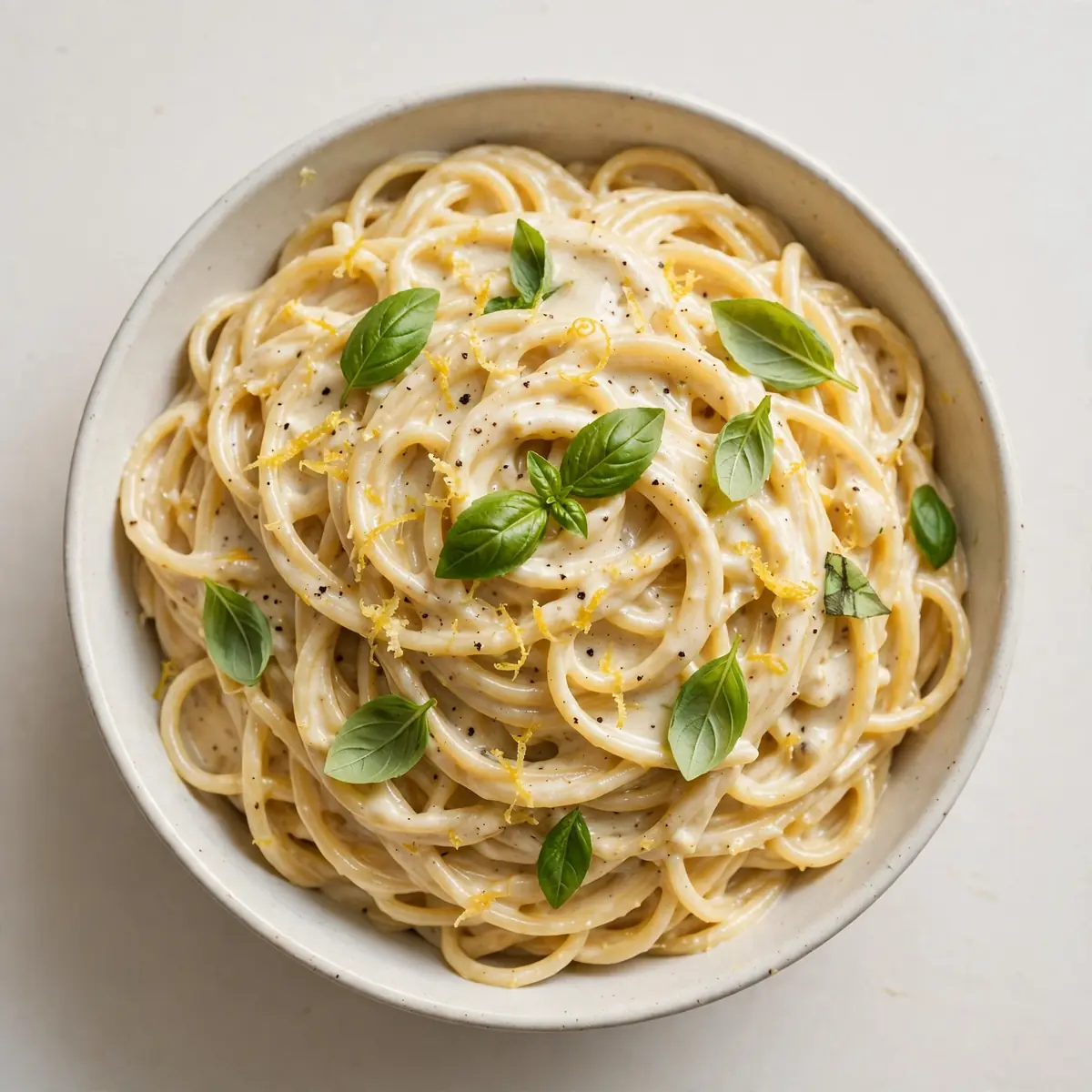
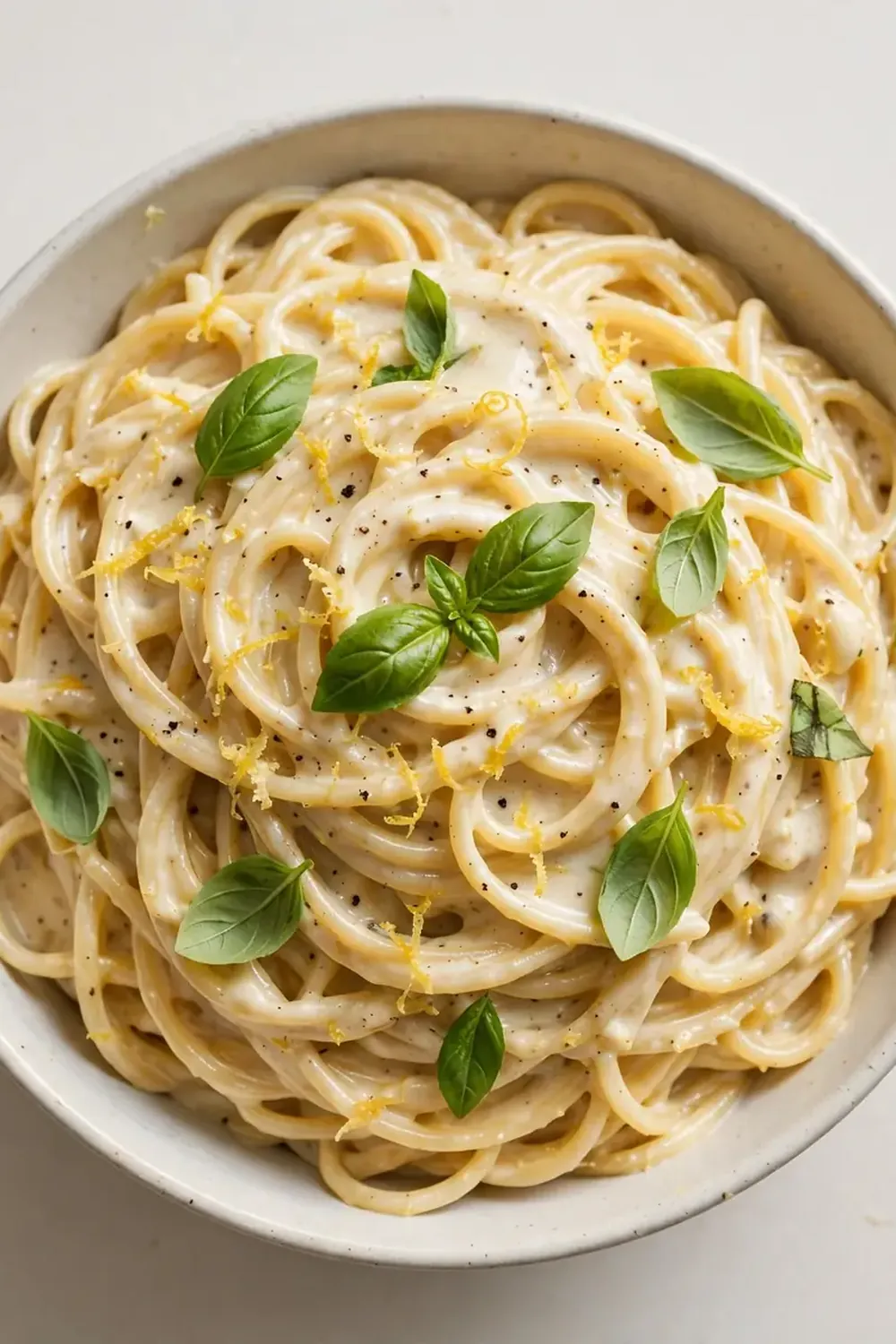
Between football practice, piano lessons, and the mountain of laundry that never seems to shrink, getting a wholesome dinner on the table can feel like a monumental task. That’s exactly why I developed this creamy lemon pasta with fresh basil — it’s a recipe born from the chaos of a Tuesday evening when I needed something fast, satisfying, and light on washing up. This dish comes together in the time it takes to boil pasta, using mostly pantry staples, and it’s so good that my family actually cheers when they see me pulling out the lemons.
Recipe Overview
- Prep time: 10 minutes
- Cook time: 15 minutes
- Total time: 25 minutes
- Servings: 4 generous portions
- Difficulty: Easy
Why You’ll Love This Creamy Lemon Pasta Fresh Basil
- One-pan sauce method: The sauce comes together in the same pan you use to cook the aromatics, meaning fewer dishes to scrub after dinner. I’m all about cutting down that post-meal cleanup time.
- Ready in under 30 minutes: From the moment you start boiling water to the first forkful, you’re looking at about 25 minutes. That’s faster than ordering takeaway on most nights.
- Uses everyday ingredients: No need to hunt down specialty items. Lemons, cream, pasta, and basil are all easily found at any supermarket, making this a reliable back-pocket recipe.
- Make-ahead friendly: The sauce can be prepped a day in advance, and the pasta can be cooked ahead and refreshed in boiling water. This means you can assemble dinner in under five minutes on a busy night.
- Bright, fresh flavour without heaviness: The lemon cuts through the richness of the cream beautifully, creating a sauce that feels luxurious but doesn’t weigh you down. I stumbled upon this combination by accident, and it’s been a hit ever since.
Ingredients You’ll Need
- 400g dried pasta (spaghetti, linguine, or fettuccine work best)
- 60ml extra virgin olive oil
- 4 cloves garlic, finely sliced
- 1 large lemon (zest and juice)
- 300ml double cream
- 100g freshly grated Parmesan cheese (or vegetarian alternative)
- 1 large handful fresh basil leaves (about 15g), roughly torn
- 1 teaspoon sea salt, plus more for pasta water
- ½ teaspoon freshly ground black pepper
- 200ml reserved pasta cooking water (approximately)
- Optional: 300g cooked chicken breast, shredded or diced
Tip: For the best flavour, use unwaxed lemons and grate the zest before juicing. Room-temperature cream blends more smoothly into the sauce and is less likely to split when you add the hot pasta.
How to Make Creamy Lemon Pasta Fresh Basil
- Bring a large pot of generously salted water to a rolling boil. The water should taste as salty as the sea — this is your only chance to season the pasta from within. Drop in your pasta and cook until al dente, about 1-2 minutes less than the packet suggests. You’ll hear the pasta clinking against the pot as it moves, and the water will become slightly cloudy and starchy.
- While the pasta boils, heat the olive oil in a large frying pan over medium heat. When the oil shimmers and you can smell its grassy aroma, add the sliced garlic. Cook for 1-2 minutes, stirring constantly, until the garlic turns a pale gold and smells nutty and fragrant. Be careful not to let it brown too much, as burnt garlic turns bitter.
- Lower the heat and add the lemon zest to the pan. Stir for about 30 seconds until the zest releases its bright, citrusy scent into the oil. Then pour in the double cream, stirring gently. The cream will bubble slightly at the edges — you’ll see it thicken and turn a pale, creamy yellow as it absorbs the lemon oils.
- Add the lemon juice, salt, and pepper to the cream sauce. Stir well and let it simmer very gently for 2 minutes. The sauce will look glossy and smooth, with a consistency that coats the back of a spoon. If you’re using cooked chicken, add it now and let it warm through in the sauce.
- Using tongs or a pasta fork, transfer the cooked pasta directly from the pot into the frying pan with the sauce. Do not drain it completely dry — a little starchy water clinging to the pasta is gold for thickening the sauce. You’ll see steam rise as the hot pasta hits the cream.
- Add a splash of the reserved pasta water (about 100ml) and toss everything together vigorously. Use your tongs to lift and turn the pasta until every strand is coated in the silky sauce. The sauce will look slightly thin at first, but it will thicken as it emulsifies with the starch. You should hear a soft, wet swishing sound as you toss.
- Sprinkle in most of the grated Parmesan and toss again. Watch as the cheese melts into the sauce, adding richness and body. The sauce should now cling to the pasta without being sticky or dry. If it seems too thick, add another splash of pasta water until it reaches a loose, creamy consistency.
- Remove the pan from the heat and scatter the torn basil leaves over the top. Toss gently once more — the residual heat will wilt the basil slightly, releasing its sweet, peppery aroma. Taste and adjust salt or lemon if needed. Serve immediately, topped with the remaining Parmesan and a few extra basil leaves for colour.
Tips From My Kitchen
- Reserve more pasta water than you think you need: I always scoop out a full mug (about 300ml) before draining. The starchy water is the secret to a silky, emulsified sauce that doesn’t turn greasy. If your sauce gets too thick as it sits, a splash of this water will bring it back to life effortlessly.
- Grate your own Parmesan: Pre-grated cheese often contains anti-caking agents that stop it from melting smoothly. Grating a block yourself takes two minutes and makes a huge difference to the texture of the sauce — you’ll get a creamy, cohesive result rather than a grainy one.
- Don’t boil the cream: Once you add the cream, keep the heat low. A vigorous boil can cause the cream to split, leaving you with a greasy, curdled-looking sauce. A gentle simmer is all you need to warm it through and meld the flavours.
- Prep your ingredients before you start: This dish comes together fast, so have your garlic sliced, lemon zested and juiced, and basil torn before you turn on the heat. This way, you’re not scrambling to chop things while the pasta is cooking, and you can focus on the timing.
- For make-ahead convenience: Cook the pasta until just al dente, then toss it in a little olive oil and refrigerate in a sealed container. Make the sauce separately and cool it quickly. When you’re ready to eat, reheat the sauce gently, dip the pasta in boiling water for 30 seconds to warm it, and toss everything together with a splash of pasta water. Dinner is ready in under five minutes.
- Adjust the lemon to your taste: Different lemons vary in acidity. Start with the juice of one lemon, taste the sauce, and add more if you want a sharper tang. The beauty of this recipe is that it’s forgiving — you can dial the brightness up or down easily.
Equipment You’ll Need
- Large pot for boiling pasta
- Colander
- Large frying pan (or deep skillet)
- Tongs or pasta fork
- Microplane or fine grater for lemon zest
- Citrus juicer or reamer
- Measuring jug for pasta water
Common Mistakes to Avoid
- Overcrowding the pan: If you try to make this recipe in a pan that’s too small, the pasta won’t toss properly, and the sauce won’t coat each strand evenly. Use a large frying pan or a deep skillet so you have room to work. The sound of the pasta swishing freely in the pan is a good sign you have enough space.
- Wrong temperature: Cooking the garlic over high heat will burn it before it has a chance to infuse the oil. Keep the heat at medium when sautéing garlic, and lower it to a gentle simmer once you add the cream. The visual cue is a steady, lazy bubble rather than a furious boil.
- Skipping the rest time: While this dish is best served immediately, if you’ve made it ahead, letting it rest for a minute after tossing allows the sauce to fully adhere to the pasta. Don’t rush this step — you’ll notice the sauce looks glossier and more cohesive after a brief pause.
Delicious Variations to Try
- Spicy Version: Add ½ teaspoon of red pepper flakes along with the garlic. The heat will build slowly and complement the creamy lemon sauce beautifully. For an extra kick, finish with a drizzle of chilli-infused olive oil just before serving.
- Vegetarian/Vegan Option: Swap the double cream for a full-fat coconut cream or a good-quality cashew cream, and use a vegan Parmesan alternative. The coconut cream adds a subtle sweetness that works surprisingly well with the lemon. Nutritional yeast can also be stirred in for a cheesy, savoury note.
- Different Protein: If you’re not using chicken, try adding pan-seared prawns, flaked smoked mackerel, or even leftover roast turkey. For a vegetarian protein, toss in some cooked chickpeas or white beans — they soak up the sauce wonderfully and add bulk without extra effort.
What to Serve With Creamy Lemon Pasta Fresh Basil
- A simple green salad with a sharp vinaigrette to cut through the richness of the cream.
- Garlic bread or crusty sourdough to mop up any leftover sauce on the plate.
- Roasted asparagus or steamed green beans for a pop of colour and a fresh crunch.
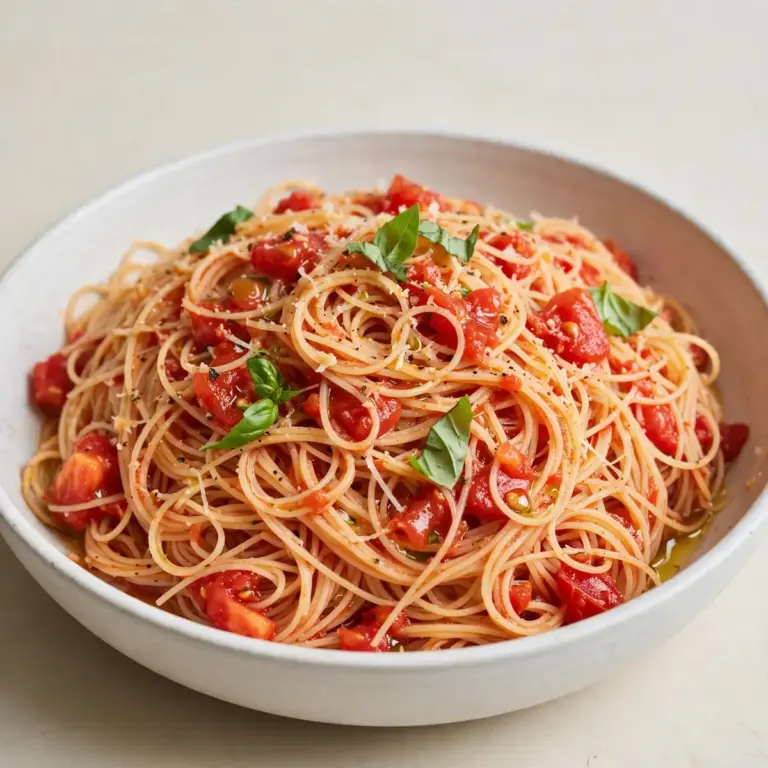
- If you’re looking to round out the meal, this pasta pairs beautifully with Mediterranean Pasta Salad With Feta for a double-pasta night that’s surprisingly light.
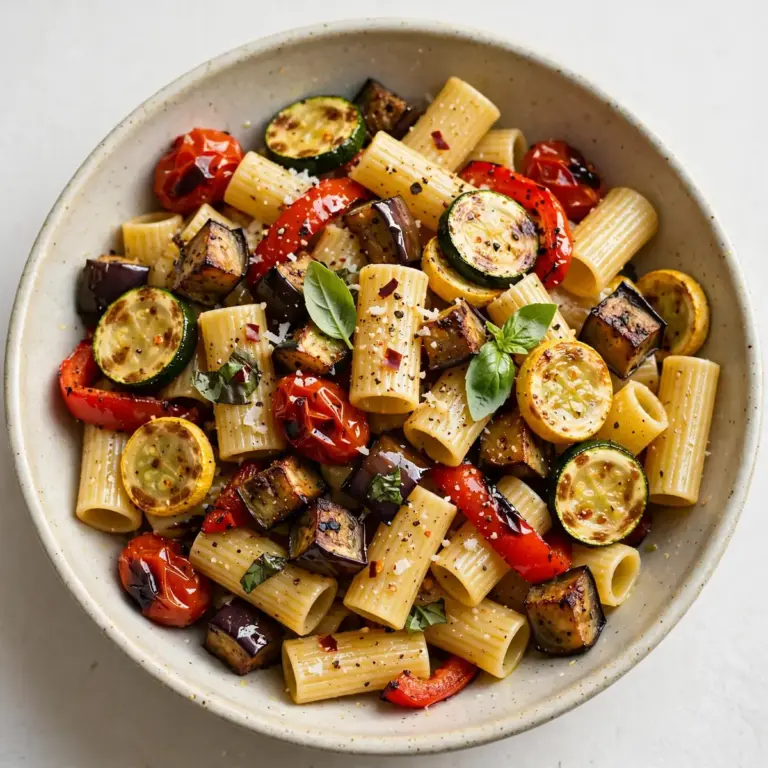
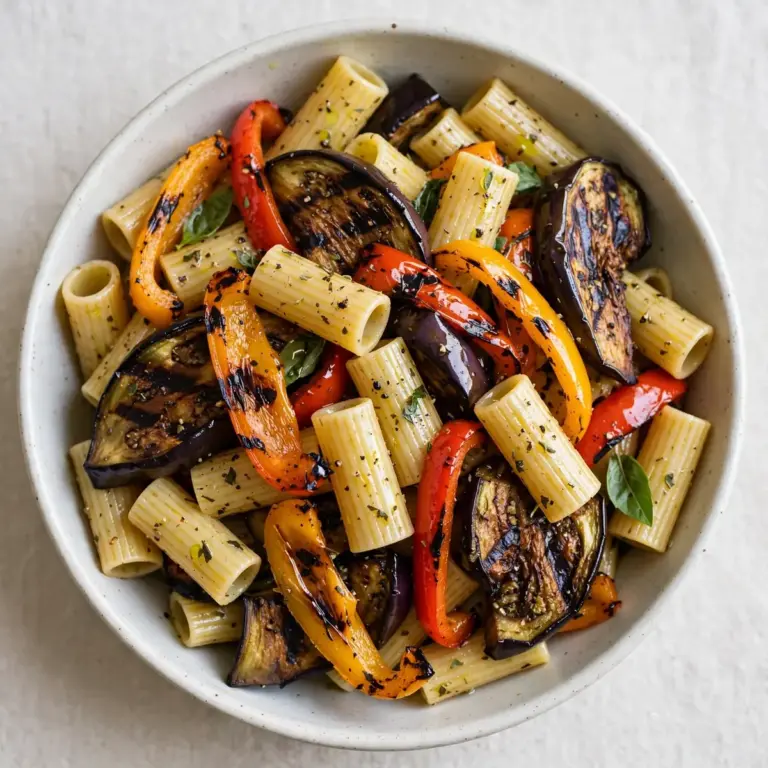
- For a heartier spread, serve alongside Pasta Grilled Eggplant Bell Peppers — the smoky vegetables complement the lemon and basil perfectly.
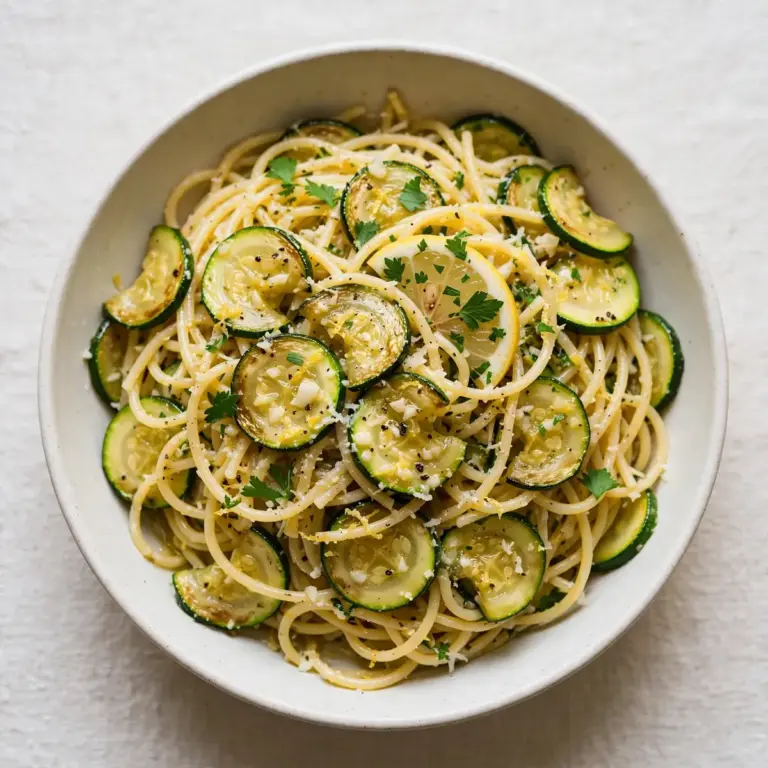
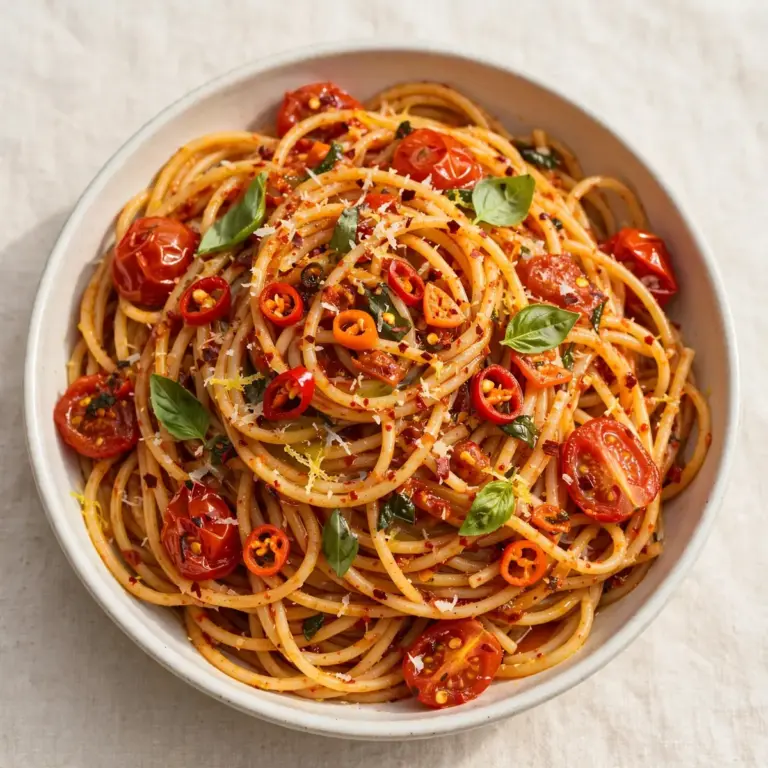
Still hungry for ideas? You might also love Fresh Lemon Basil Pasta Bright Flavorful Italian Dish, Zesty Lemon Arugula Pasta Salad In 15 Minutes from our sister kitchens.
Frequently Asked Questions
creamy lemon pasta fresh basil
Ingredients
Method
-
Bring a large pot of generously salted water to a rolling boil. The water should taste as salty as the sea — this is your only chance to season the pasta from within. Drop in your pasta and cook until al dente, about 1-2 minutes less than the packet suggests. You’ll hear the pasta clinking against the pot as it moves, and the water will become slightly cloudy and starchy.
-
While the pasta boils, heat the olive oil in a large frying pan over medium heat. When the oil shimmers and you can smell its grassy aroma, add the sliced garlic. Cook for 1-2 minutes, stirring constantly, until the garlic turns a pale gold and smells nutty and fragrant. Be careful not to let it brown too much, as burnt garlic turns bitter.
-
Lower the heat and add the lemon zest to the pan. Stir for about 30 seconds until the zest releases its bright, citrusy scent into the oil. Then pour in the double cream, stirring gently. The cream will bubble slightly at the edges — you’ll see it thicken and turn a pale, creamy yellow as it absorbs the lemon oils.
-
Add the lemon juice, salt, and pepper to the cream sauce. Stir well and let it simmer very gently for 2 minutes. The sauce will look glossy and smooth, with a consistency that coats the back of a spoon. If you’re using cooked chicken, add it now and let it warm through in the sauce.
-
Using tongs or a pasta fork, transfer the cooked pasta directly from the pot into the frying pan with the sauce. Do not drain it completely dry — a little starchy water clinging to the pasta is gold for thickening the sauce. You’ll see steam rise as the hot pasta hits the cream.
-
Add a splash of the reserved pasta water (about 100ml) and toss everything together vigorously. Use your tongs to lift and turn the pasta until every strand is coated in the silky sauce. The sauce will look slightly thin at first, but it will thicken as it emulsifies with the starch. You should hear a soft, wet swishing sound as you toss.
-
Sprinkle in most of the grated Parmesan and toss again. Watch as the cheese melts into the sauce, adding richness and body. The sauce should now cling to the pasta without being sticky or dry. If it seems too thick, add another splash of pasta water until it reaches a loose, creamy consistency.
-
Remove the pan from the heat and scatter the torn basil leaves over the top. Toss gently once more — the residual heat will wilt the basil slightly, releasing its sweet, peppery aroma. Taste and adjust salt or lemon if needed. Serve immediately, topped with the remaining Parmesan and a few extra basil leaves for colour.
Notes
This creamy lemon pasta with fresh basil has become my go-to for those evenings when I need something that feels special but doesn’t demand hours in the kitchen. It’s the kind of meal that brings everyone to the table without complaint, and the best part is that I’m usually sitting down with a plate in my hand within half an hour of walking through the door. If you give it a try, I’d love to hear how it went for your family — drop a comment below and let me know your favourite twist on it.