Ingredients
Method
- Bring a large pot of generously salted water to a rolling boil. The water should taste as salty as the sea — this is your only chance to season the pasta from within. Drop in your pasta and cook until al dente, about 1-2 minutes less than the packet suggests. You’ll hear the pasta clinking against the pot as it moves, and the water will become slightly cloudy and starchy.
- While the pasta boils, heat the olive oil in a large frying pan over medium heat. When the oil shimmers and you can smell its grassy aroma, add the sliced garlic. Cook for 1-2 minutes, stirring constantly, until the garlic turns a pale gold and smells nutty and fragrant. Be careful not to let it brown too much, as burnt garlic turns bitter.
- Lower the heat and add the lemon zest to the pan. Stir for about 30 seconds until the zest releases its bright, citrusy scent into the oil. Then pour in the double cream, stirring gently. The cream will bubble slightly at the edges — you’ll see it thicken and turn a pale, creamy yellow as it absorbs the lemon oils.
- Add the lemon juice, salt, and pepper to the cream sauce. Stir well and let it simmer very gently for 2 minutes. The sauce will look glossy and smooth, with a consistency that coats the back of a spoon. If you’re using cooked chicken, add it now and let it warm through in the sauce.
- Using tongs or a pasta fork, transfer the cooked pasta directly from the pot into the frying pan with the sauce. Do not drain it completely dry — a little starchy water clinging to the pasta is gold for thickening the sauce. You’ll see steam rise as the hot pasta hits the cream.
- Add a splash of the reserved pasta water (about 100ml) and toss everything together vigorously. Use your tongs to lift and turn the pasta until every strand is coated in the silky sauce. The sauce will look slightly thin at first, but it will thicken as it emulsifies with the starch. You should hear a soft, wet swishing sound as you toss.
- Sprinkle in most of the grated Parmesan and toss again. Watch as the cheese melts into the sauce, adding richness and body. The sauce should now cling to the pasta without being sticky or dry. If it seems too thick, add another splash of pasta water until it reaches a loose, creamy consistency.
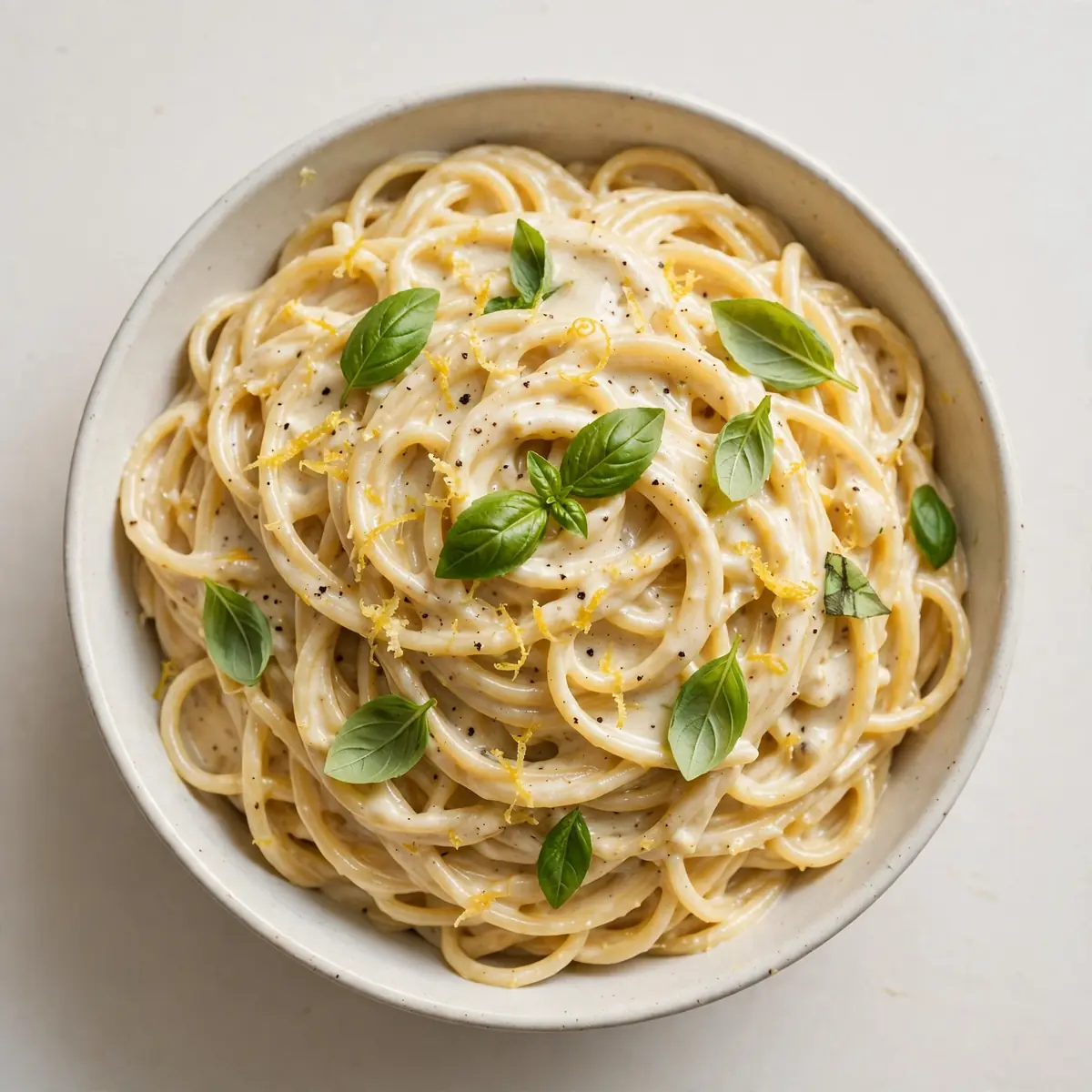
- Remove the pan from the heat and scatter the torn basil leaves over the top. Toss gently once more — the residual heat will wilt the basil slightly, releasing its sweet, peppery aroma. Taste and adjust salt or lemon if needed. Serve immediately, topped with the remaining Parmesan and a few extra basil leaves for colour.
Notes
Reserve extra pasta water to adjust sauce consistency. For a vegetarian version, omit chicken and use vegetarian Parmesan.