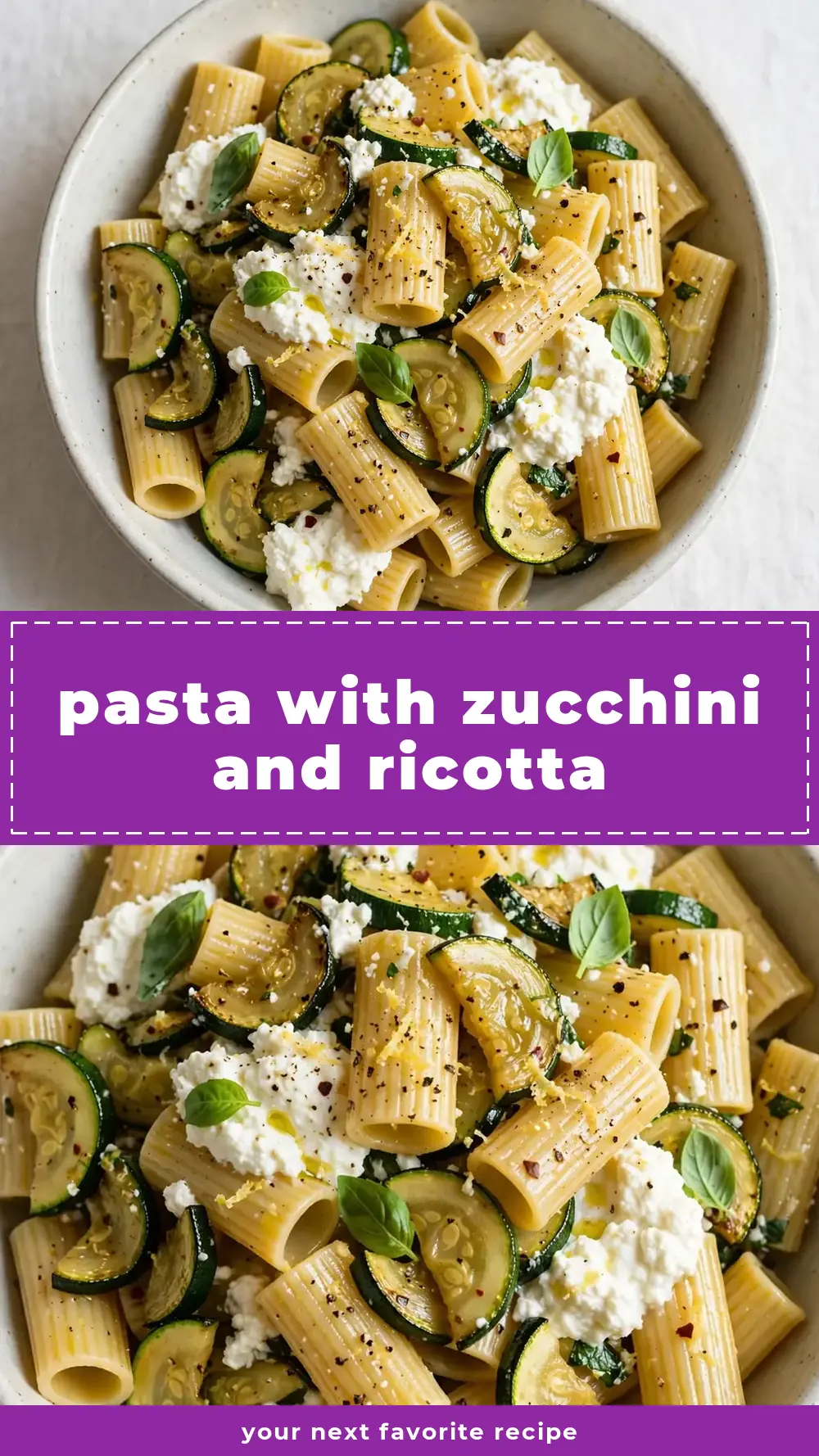
Pasta With Zucchini And Ricotta
I don’t know about you, but my weeknights are a blur of homework, after-school clubs, and that daily scramble to get something edible on the table before everyone turns into a grumpy mess. That’s why I rely on dishes like this pasta with zucchini and ricotta — it’s the kind of meal that comes together in the time it takes to boil water, uses one pan for the sauce, and somehow makes a bag of courgettes feel like a proper treat. I stumbled upon this combination by accident when I had a glut of summer squash and a tub of ricotta that needed using up, and it’s been a hit ever since.
Recipe Overview
- Prep time: 10 minutes
- Cook time: 15 minutes
- Total time: 25 minutes
- Servings: 4
- Difficulty: Easy
Why You’ll Love This Pasta with Zucchini and Ricotta
- It’s genuinely speedy: From fridge to table in under half an hour, this is the definition of a quick weeknight dinner for busy families.
- Minimal washing up: You only need a pot for the pasta and one frying pan for everything else — less time scrubbing, more time relaxing.
- Budget-friendly ingredients: Courgettes are cheap year-round, and a tub of ricotta goes a long way, making this a wallet-wise choice.
- Customisable for picky eaters: You can leave the garlic out for little ones, add a handful of spinach for extra veg, or toss in some leftover chicken for protein.
- Great for make-ahead lunches: It reheats beautifully, so you can double the batch and have tomorrow’s lunch sorted in minutes.
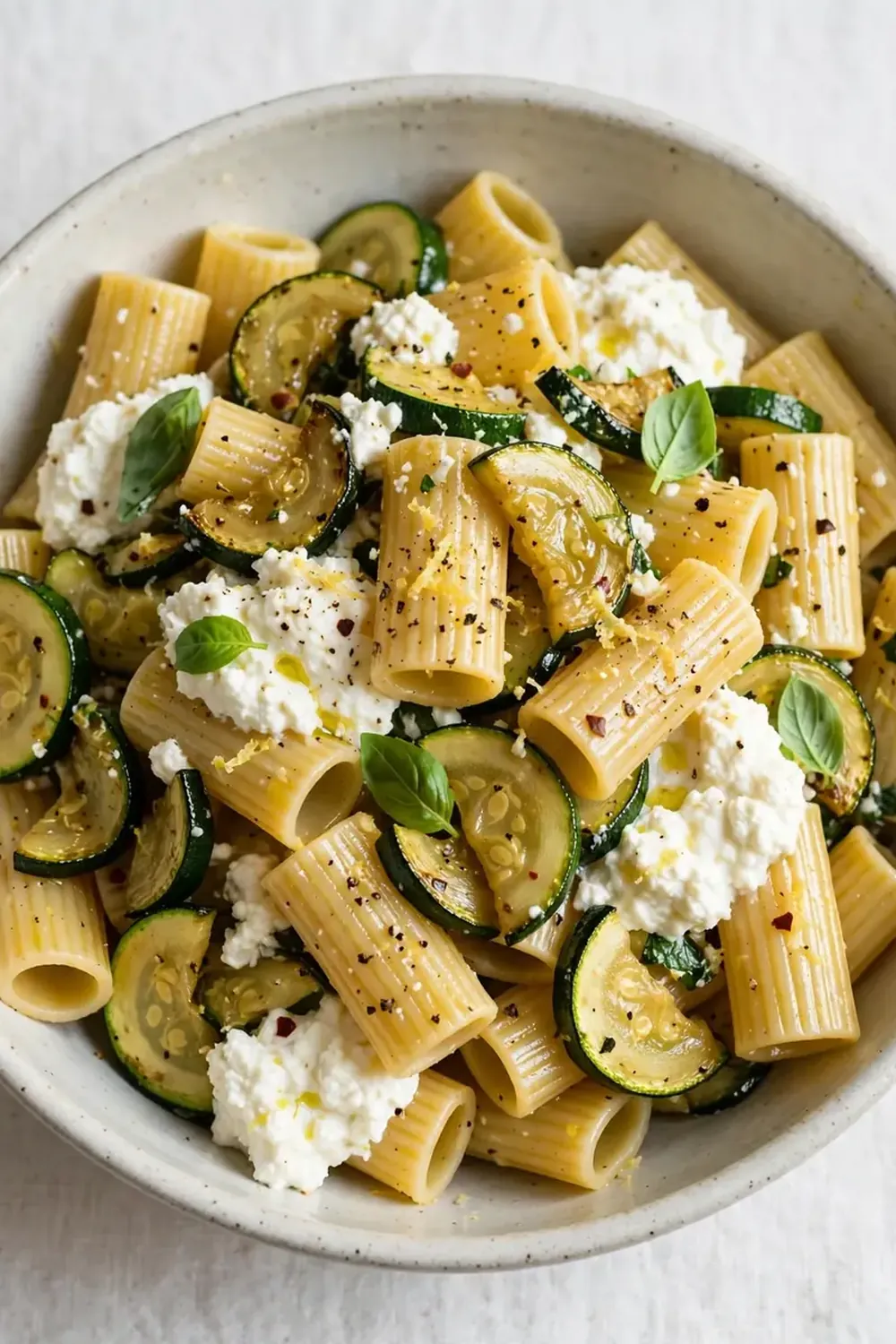
Ingredients You’ll Need
- 400g dried pasta (short shapes like penne or fusilli work best)
- 3 medium courgettes (about 500g total)
- 2 tablespoons olive oil
- 3 cloves garlic, finely sliced
- 250g full-fat ricotta cheese
- 60ml reserved pasta cooking water (plus more if needed)
- Zest and juice of 1 lemon
- 40g grated Parmesan cheese (or vegetarian alternative)
- Small handful of fresh basil leaves, torn
- Salt and freshly ground black pepper to taste
- Pinch of chilli flakes (optional, for a little warmth)
Tip: For the creamiest result, use full-fat ricotta — the reduced-fat versions can turn grainy when heated. If you’re dairy-free, a good-quality cashew-based ricotta works surprisingly well here.
How to Make Pasta with Zucchini and Ricotta
- Bring a large pot of salted water to a rolling boil. You’ll know it’s ready when the bubbles are vigorous and the steam hits your face. Add the pasta and cook according to package directions until al dente — usually about 10 to 12 minutes. While that bubbles away, get on with the sauce.
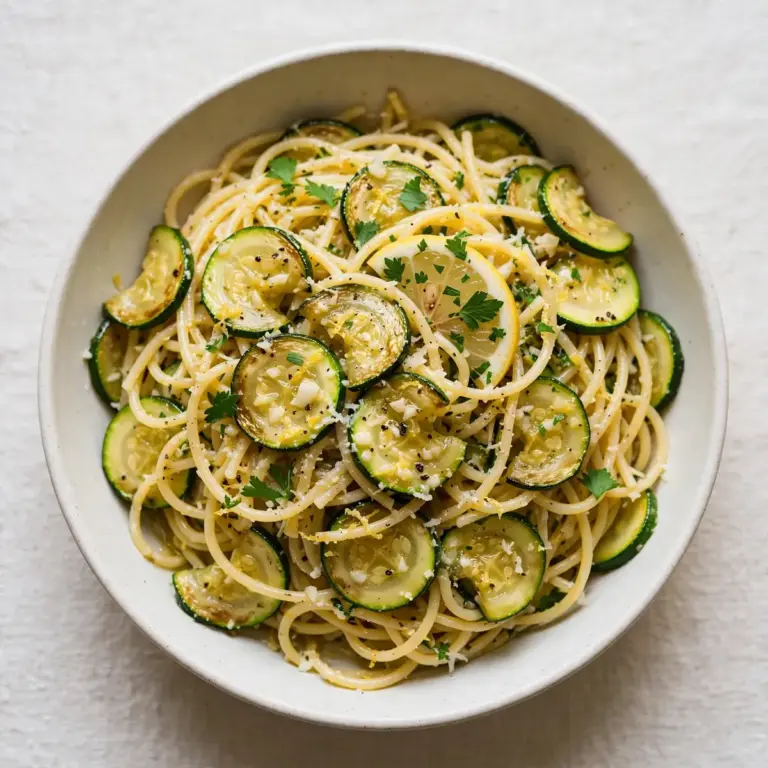
- Prep the courgettes. Trim the ends, then slice them into half-moons about half a centimetre thick. I like to cut them lengthways first, then crossways, so they’re all a similar size. You should see a pale green ring with a soft white centre on each piece.
- Heat the olive oil in a large frying pan over medium-high heat. When the oil shimmers and a piece of courgette sizzles on contact, add the sliced courgettes in a single layer. Don’t overcrowd the pan — cook in two batches if needed. Let them sit undisturbed for 3 to 4 minutes until the undersides are golden brown and slightly charred. You’ll smell that lovely toasted, nutty aroma.
- Flip the courgettes and cook for another 2 to 3 minutes until both sides are tender and speckled with brown. Add the sliced garlic and chilli flakes if using, then stir for about 30 seconds until the garlic is fragrant but not burnt — it should smell sweet, not acrid.
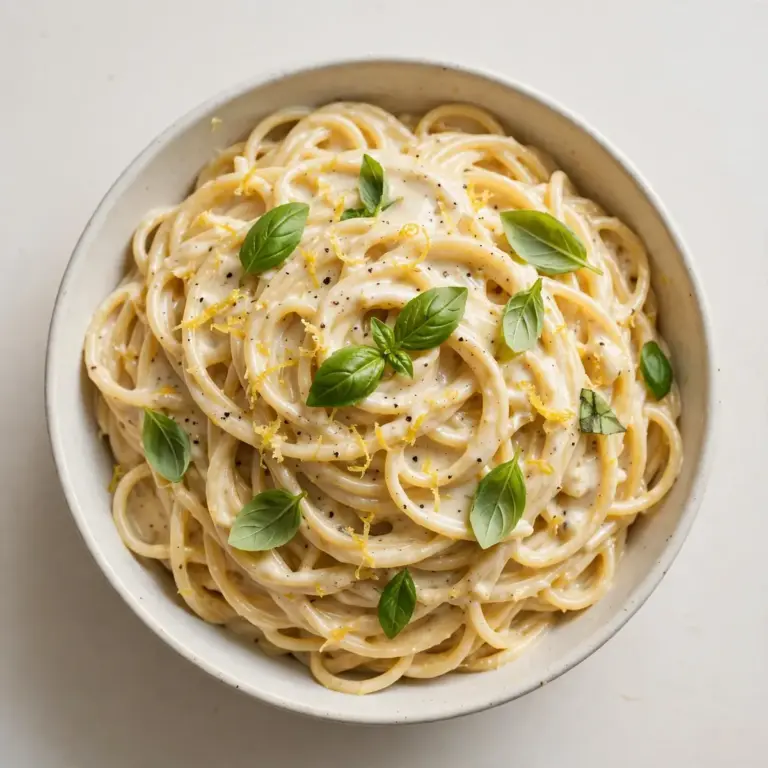
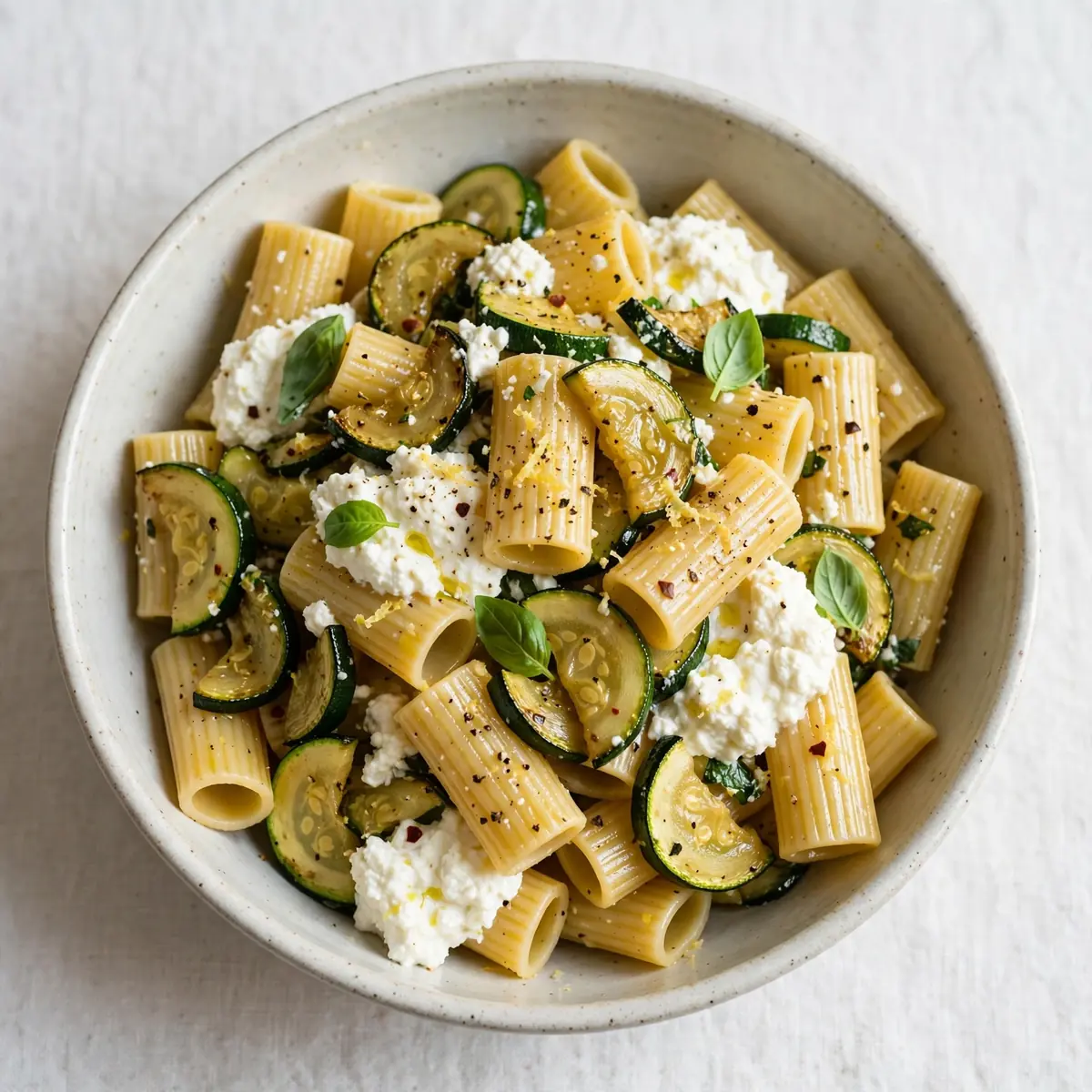
- Reduce the heat to low. Spoon the ricotta into the pan along with the lemon zest and a generous grind of black pepper. Stir gently until the ricotta warms through and softens into a creamy sauce. You’ll see it turn from a stiff white block into a smooth, pale yellow coating on the courgettes.
- Drain the pasta, but reserve at least 120ml of the starchy cooking water. Add the hot pasta directly to the pan with the courgette-ricotta mixture. Toss everything together with tongs, adding a splash of the reserved water to loosen the sauce. The pasta should look glossy and each piece should be lightly coated — you’ll hear a gentle hiss as the hot pasta hits the pan.
- Remove the pan from the heat and stir through the Parmesan and lemon juice. Taste and adjust seasoning with salt if needed — the Parmesan is salty, so go easy. Tear the basil leaves over the top just before serving so they stay bright green and fresh.
Tips From My Kitchen
- Salt the courgettes first if you have time: Courgettes hold a lot of water, which can make the sauce watery. Toss the sliced courgettes with a teaspoon of salt in a colander and let them sit for 10 minutes. Pat them dry with kitchen paper before cooking — this concentrates their flavour and prevents that soggy texture. The why is simple: less water means a creamier, more luxurious sauce that clings to the pasta instead of pooling at the bottom of the bowl.
- Reserve more pasta water than you think you’ll need: That starchy water is liquid gold for binding the sauce to the pasta. I always scoop out a full mugful (about 250ml) before draining, even if the recipe calls for less. The starch acts as a natural emulsifier, helping the ricotta and Parmesan form a silky coating rather than a clumpy mess. If the sauce tightens up as it sits, a splash more water brings it back to life.
- Use short pasta shapes for better cling: Long strands like spaghetti or linguine work in a pinch, but short shapes like penne, rigatoni, or fusilli catch the ricotta sauce in their ridges and hollows. Every forkful gives you a proper hit of creamy courgette goodness. The why is about surface area — more nooks and crannies mean more sauce in every bite, which is what makes this feel indulgent without being heavy.
- Don’t skip the lemon zest: It might seem like a small detail, but finely grated lemon zest lifts the whole dish. The citrus oils cut through the richness of the ricotta and Parmesan, making the courgettes taste brighter and more vibrant. I add it twice — once with the ricotta to infuse the sauce, and a final squeeze of juice at the end for a fresh pop of acidity.
- Make it ahead for busy evenings: You can prep the courgettes up to a day in advance — slice them, salt them, pat them dry, and store them in a sealed container in the fridge. The ricotta mixture can be stirred together (minus the lemon juice) and refrigerated. On the night, all you need to do is boil the pasta and cook the courgettes. This cuts the active cooking time down to about 15 minutes flat.
Equipment You’ll Need
- Large pot for boiling
- Colander
- Large frying pan (preferably non-stick or well-seasoned)
- Tongs or pasta fork
- Microplane or fine grater (for the lemon zest and Parmesan)
- Measuring jug (for reserving pasta water)
Common Mistakes to Avoid
- Overcrowding the pan: If you pile all the courgettes into the pan at once, they’ll steam rather than brown. Steamed courgettes turn mushy and release too much water, making the sauce thin and bland. Cook them in batches if necessary — a single layer with space between each piece ensures they get those lovely golden-brown edges that add texture and flavour.
- Wrong temperature: Cooking the courgettes over medium-low heat will make them weep water and turn soft without any colour. Medium-high heat is your friend here — it sears the outside quickly, locking in flavour and creating a slightly caramelised crust. If the oil starts smoking, turn it down a notch, but don’t let the heat drop too low.
- Skipping the rest time: Once you’ve tossed everything together, let the pan sit off the heat for one minute before serving. This brief rest allows the sauce to thicken slightly and cling to the pasta. If you serve it immediately, the sauce can be too loose and runny — that one-minute pause makes all the difference to the final texture.
What to Serve With Pasta with Zucchini and Ricotta
- A simple green salad dressed with lemon juice and olive oil — the freshness balances the creamy pasta.
- Grilled chicken thighs or roasted salmon fillets for extra protein (check out our All Recipes for easy chicken ideas).
- Warm crusty bread to mop up any leftover sauce from the bowl — because there will be sauce, and it’s too good to waste.
- Steamed green beans or asparagus on the side for added veg without much extra effort.
Frequently Asked Questions
pasta with zucchini and ricotta
Ingredients
Method
-
Bring a large pot of salted water to a rolling boil. You’ll know it’s ready when the bubbles are vigorous and the steam hits your face. Add the pasta and cook according to package directions until al dente — usually about 10 to 12 minutes. While that bubbles away, get on with the sauce.
-
Prep the courgettes. Trim the ends, then slice them into half-moons about half a centimetre thick. I like to cut them lengthways first, then crossways, so they’re all a similar size. You should see a pale green ring with a soft white centre on each piece.
-
Heat the olive oil in a large frying pan over medium-high heat. When the oil shimmers and a piece of courgette sizzles on contact, add the sliced courgettes in a single layer. Don’t overcrowd the pan — cook in two batches if needed. Let them sit undisturbed for 3 to 4 minutes until the undersides are golden brown and slightly charred. You’ll smell that lovely toasted, nutty aroma.
-
Flip the courgettes and cook for another 2 to 3 minutes until both sides are tender and speckled with brown. Add the sliced garlic and chilli flakes if using, then stir for about 30 seconds until the garlic is fragrant but not burnt — it should smell sweet, not acrid.
-
Reduce the heat to low. Spoon the ricotta into the pan along with the lemon zest and a generous grind of black pepper. Stir gently until the ricotta warms through and softens into a creamy sauce. You’ll see it turn from a stiff white block into a smooth, pale yellow coating on the courgettes.
-
Drain the pasta, but reserve at least 120ml of the starchy cooking water. Add the hot pasta directly to the pan with the courgette-ricotta mixture. Toss everything together with tongs, adding a splash of the reserved water to loosen the sauce. The pasta should look glossy and each piece should be lightly coated — you’ll hear a gentle hiss as the hot pasta hits the pan.
-
Remove the pan from the heat and stir through the Parmesan and lemon juice. Taste and adjust seasoning with salt if needed — the Parmesan is salty, so go easy. Tear the basil leaves over the top just before serving so they stay bright green and fresh.
Notes
I hope this pasta with zucchini and ricotta becomes as reliable a weeknight rescue in your kitchen as it is in mine. It’s one of those recipes that proves you don’t need a dozen ingredients or an hour of time to make something that feels special. If you give it a go, I’d love to hear how it turned out — drop a comment below and let me know what twists you added. For more speedy dinner inspiration, browse our full collection over at Flavorbloom.Online.